
“Your body will tell you the truth, even if your mind can’t.”
“Change is felt in the body first.”
“Presence in the moment is only possible if you’re connected to the body.”
At first mind-body-life connection language resonates only if you’ve personally experienced it. If not, it may sound like a thing to believe in. Or like something only people who do a lot of yoga and meditation say. But really?
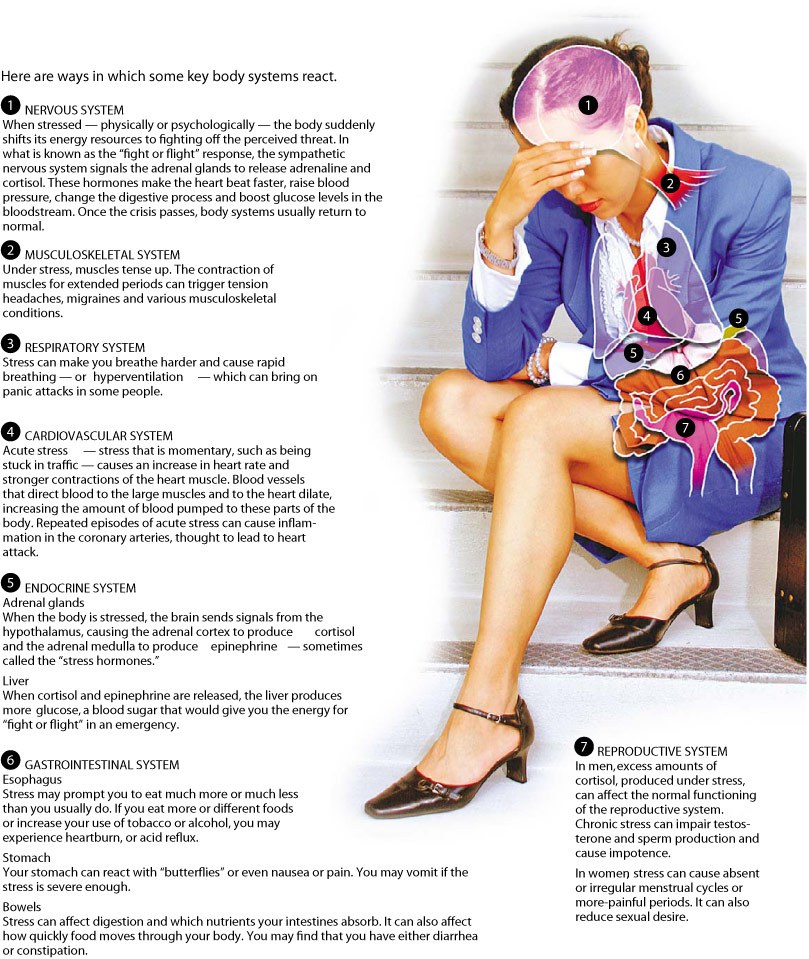
Well, let’s look. How about the effects of stress on the body? Stress is an emotional and mental experience, and the physical implications of ongoing stress on the body are well-understood.
When we go through a time of grief, loss and change, our stress levels are through the roof. The primary loss creates stress as do the often-accompanying losses of security, finances, family or community support, companionship, and attachment.
It’s no wonder the physical effects of grief and loss mirror the known physical effects of stress on the body.
Moreover, the physical and psychological effects of the loss of a primary attachment are well documented. Our brains literally have to rewrite themselves in the years after a loss of someone we love, neuron by neuron, pathway by pathway.
The parasympathetic nervous system handles rest, digestion, breathing. It becomes unsteady.
The limbic part of our brain handles much of our emotional, attachment, personal recall and memory integration. It too becomes unmoored, like a loose wire with nothing to plug into, dancing, scattered, homeless.
When we lose a primary attachment no part of our brain, psychology or whole Selves are left untouched.
It’s possible, then, that the ways we comfort our physical bodies during stressful times could help during times that we grieve, too.
That’s why touch and body work hold some promise here.
“When we’re grieving, it’s very easy to get stuck in our heads. It’s easy to get stuck in our hearts. What’s hard is staying connected to our bodies, and that’s where a massage can be helpful.”
– Aimee Joy Taylor
When your limbic system is reeling from the loss of a primary bond and attachment, could comforting touch help?
What effect might a more-steady heart rate, a more-steady respiration-rate, more-steady physical contact have on a person whose body and mind are in pain?
A massage is such a small, humble thing. Even so, the hope is that a small comfort could make a big difference for a body and heart in pain.
RESOURCES
American Psychological Association: How Stress Affects Your Health
How Grief Manifests in the Body & Why Body-Based Approaches to Bereavement Support Improved Therapeutic Outcome :: A literature review by Liz Gleeson
Limbic System: GoodTherapy.com